Sacramento HVAC Contractor Serving Citrus Heights, CA
Part of our full Sacramento HVAC contractor service area.
Honest, repair-first service for the classic ranch homes around Sunrise, Greenback and Auburn Boulevard. Call (614) 350-5971 for same-day AC or heating help — answered 24/7.
Call for Citrus Heights Service
Older Homes, Older Systems — Handled Right
Citrus Heights has some of the metro's most consistent housing stock: single-story ranch homes built from the 1950s through the 70s, many still owned by the families who've been in them for decades. That means a lot of second- and third-generation HVAC systems, hall-closet and garage furnaces, and — critically — original ductwork. Duct wrap from before about 1980 can contain asbestos, so old ducts should be assessed by someone who knows not to go tearing into them.
Because many Citrus Heights homeowners are on fixed incomes, the service philosophy here matters: repair-first, with the math shown plainly. A capacitor or fan motor that buys an old system two more summers is often the right call. When it isn't — a dead compressor on a 25-year-old unit — you'll get the repair-versus-replace numbers side by side, including SMUD rebate options on replacement systems, and the decision stays yours.
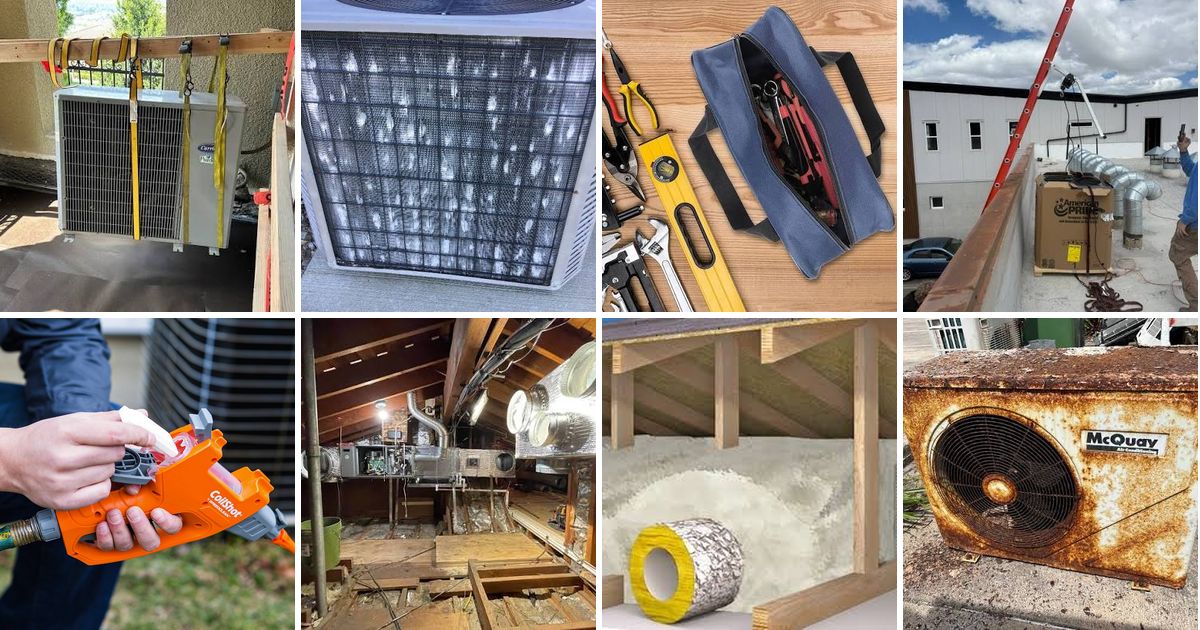
One seasonal note for the neighborhood's mature tree cover: leaf litter and debris pile against outdoor condensers tucked beside fences. A choked condenser mimics a refrigerant problem — sometimes the fix is far cheaper than feared.
Repair-First, With the Arithmetic Shown
Citrus Heights has an unusually high proportion of long-tenure owners, many on fixed incomes, in homes they have lived in for decades. That shapes what good service looks like here, and it is worth being explicit about it.
A capacitor or a fan motor that buys an old but functional system two more summers is frequently the right call, even on equipment well past its nominal life. Replacement is not automatically the better answer just because the unit is old. What matters is the arithmetic, and you are entitled to see it before deciding:
- What the repair costs, quoted firmly before work begins.
- What replacement would cost, so the comparison is real rather than hypothetical.
- What else is likely to fail next, based on what the technician can actually see — not a sales script.
- Whether the repair is a genuine fix or a stopgap, stated plainly.
The rough threshold most of the trade uses: when a single repair exceeds about a third of replacement cost on a system past its expected life, replacement usually wins. Below that, repair generally does. That is a guideline, not a rule, and it should be applied to your actual numbers rather than asserted at you.
One protection worth knowing about regardless of who you call: California requires a license for any construction work where labor and materials together come to $500 or more, which covers essentially every HVAC repair beyond a filter change. The Contractors State License Board publishes a free lookup. Checking a license takes about a minute and is worth doing before work starts, not after.
Two details make that check more useful than a simple pass or fail. HVAC work falls under the C-20 warm-air heating, ventilating and air-conditioning classification, so a license in some unrelated trade is not the reassurance it looks like — the lookup shows classification alongside status and expiry. And every active C-20 holder is required to carry workers' compensation coverage whether or not they employ anyone, which is unusual among the trades and is there precisely because someone gets hurt on a roof or in an attic on your property. CSLB also publishes HVAC-specific consumer guidance on what a legitimate upgrade quote should contain.
Single-Story Ranch Homes: What That Actually Means for Ductwork
Citrus Heights' housing stock is remarkably consistent — 1950s through 70s single-story ranch homes, which have a particular set of HVAC characteristics that differ from the metro's two-story tract housing.
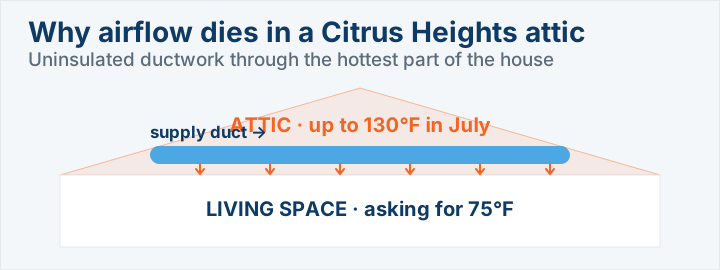
The ductwork typically runs through the attic to ceiling registers spread across a wide, shallow floor plan. That means long horizontal runs, and long runs lose air. On homes of this age the ducts are frequently original, and pre-1980 duct wrap can contain asbestos, which means it should be assessed by someone qualified rather than pulled apart by anyone curious. Old ducts that leak cooled air into a 130°F attic will undermine any equipment you put in front of them.
The upside of single-story construction is that these homes do not suffer the hot-upstairs problem that dominates newer parts of the metro. When a Citrus Heights ranch home cools unevenly, the cause is usually distribution — a collapsed flex run, a disconnected boot, a register that has been closed for years — rather than the stack effect. Those are findable and fixable faults.
Mature Trees and the Choked Condenser
The neighborhood's established tree cover is genuinely pleasant and genuinely hard on outdoor equipment. Condensers tucked along fence lines collect leaf litter, seed fluff and windblown debris against the coil, and a choked condenser cannot reject heat. The symptoms — long run times, poor cooling, eventually a system that trips on high pressure — look very much like a refrigerant problem.
They are not the same bill. A cleaning costs a fraction of what a refrigerant diagnosis and repair costs, so it is worth ruling out first. Clearing debris and keeping about two feet around the unit free is straightforward homeowner maintenance. Power off at the disconnect, rinse with a normal garden hose from the inside outward, and never use a pressure washer — flattened fins restrict airflow permanently and make the original problem worse.
Permits and the Energy Code in Citrus Heights
Citrus Heights permits its own building work. The city's Building & Safety Division publishes a permit requirements and exemptions page along with a handout listing projects that require a permit, and mechanical work sits squarely inside it. Worth reading before agreeing to anything, because on a fixed income the difference between a permitted job and an unpermitted one shows up years later, at resale, when it is far more expensive to resolve.
The energy code is where these particular homes get caught. California's 2025 Energy Code renamed the old HERS verification program to Energy Code Compliance (ECC), and where a changeout keeps the existing ductwork the California Energy Commission requires it to test at no more than 10% total leakage, or 7% to outside. On a 1950s–70s ranch home with long horizontal attic runs and original duct wrap, that test is a genuine hurdle, and it is the honest reason a replacement quote here should include a duct assessment rather than treating the ducts as somebody else's problem. A furnace changed on its own, with no cooling work, is exempt from airflow and refrigerant-charge verification.
Services Available in Citrus Heights
- AC repair — same-day on most calls, repair-first pricing
- Emergency AC repair — 24/7, prioritized for heat-vulnerable residents
- Furnace & heating repair — including older garage and closet furnaces with CO safety checks
- AC installation & replacement — with duct assessment included
- Water heater repair — older tanks a specialty
Citrus Heights FAQs
My home still has its old ductwork — is that a problem?
Often yes: pre-1980 duct wrap can contain asbestos, and old ducts leak cooled air into the attic. Have them assessed, not disturbed — sealing or professional replacement gets quoted only if genuinely needed.
Is it worth repairing a 20-year-old AC?
Depends on the failure. Cheap part on a working system: usually yes. Major component: usually no. If one repair exceeds about a third of replacement cost, replace. You get the math before deciding.
How fast can someone reach Citrus Heights?
It's central to the dispatch area between Sacramento and Roseville — most calls get same-day service, and emergencies are answered around the clock.
How do I check that a contractor is properly licensed in California?
The Contractors State License Board publishes a free public license lookup. You can search by business name, individual name or license number and see license status, classification and expiry. HVAC work generally falls under the C-20 warm-air heating, ventilating and air-conditioning classification. Checking takes about a minute, and it is worth doing before work begins rather than afterwards.
My AC runs constantly but the house is not cooling. Is it low on refrigerant?
Possibly, but check the outdoor unit first. In Citrus Heights' mature tree cover, condensers collect leaf litter and seed fluff against the coil, and a choked condenser produces symptoms that closely mimic low refrigerant — long run times, poor cooling, eventually a high-pressure trip. Cleaning costs a fraction of a refrigerant repair. If it still struggles once the coil is genuinely clean, then charge and compressor condition are worth measuring.
Citrus Heights: Straight Answers, Fair Repairs
Same-day service with the price on paper before work starts.
📞 Call (614) 350-5971Nearby Service Areas
Also serving Carmichael, Roseville, Folsom, Rancho Cordova and Elk Grove — plus all of Sacramento city. See all service areas.